Writers–One More Reason to Get Up Out of Your Chair
Posted by c2london in Uncategorized, Writing on May 4, 2014
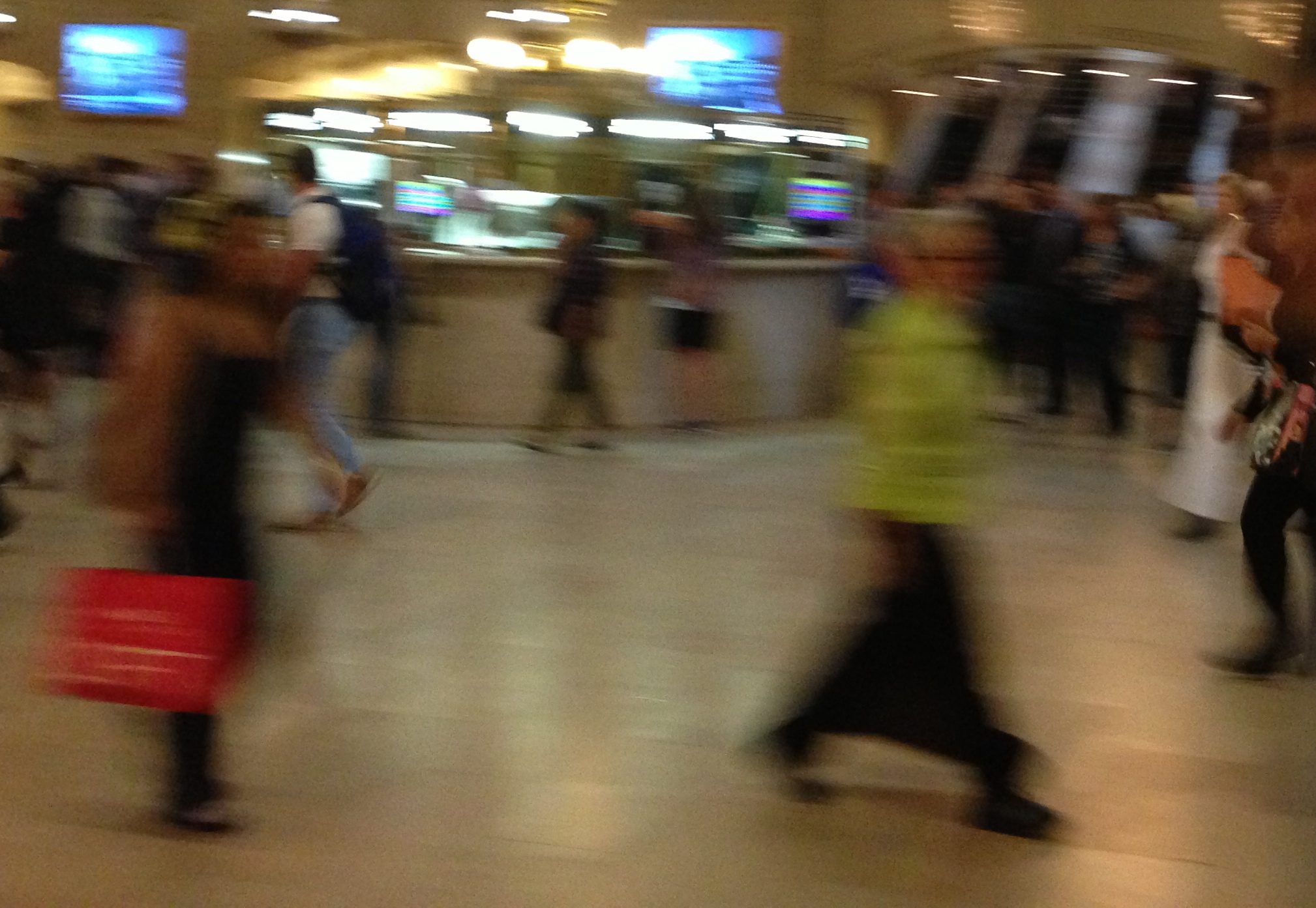 A few months ago I wrote a short post about what some are calling “the new smoking.” Research seems to indicate that sitting for long periods can be one of the worst inactivities for your health. Now a Stanford study finds individuals are more creative while walking. It seems that in the past people might say they were more creative if they spent time outside, and that might be a first reaction to that statement. “Of course I’m more creative after coming in from smelling the flowers.”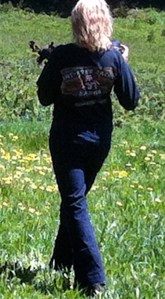
But the study Give Your Ideas Some Legs: The Positive Effect of Walking on Creative Thinking implies it is the act of walking, not the outdoors itself, that produces more divergent thinking. Some study participants walked indoors and still produced more creative ideas, while others were pushed around in a wheelchair outside. Presumably these individuals did not produce an equivalent number of creative ideas. The effect seemed to last for at least a short period of sitting after a walk as well as during the actual activity. Here is a summary of the study http://news.stanford.edu/news/2014/april/walking-vs-sitting-042414.html.
Just one more reason to get up and out of your chair when you’re writing. Maybe you’ll come up with a new solution or create an astounding dilemma for your protagonist. And what an excuse to walk around the building or down the street in the middle of the day.  Don’t forget your sunscreen. Could a new walking desk set up be down the line?
Preparing for Conference, No Time to Blog!
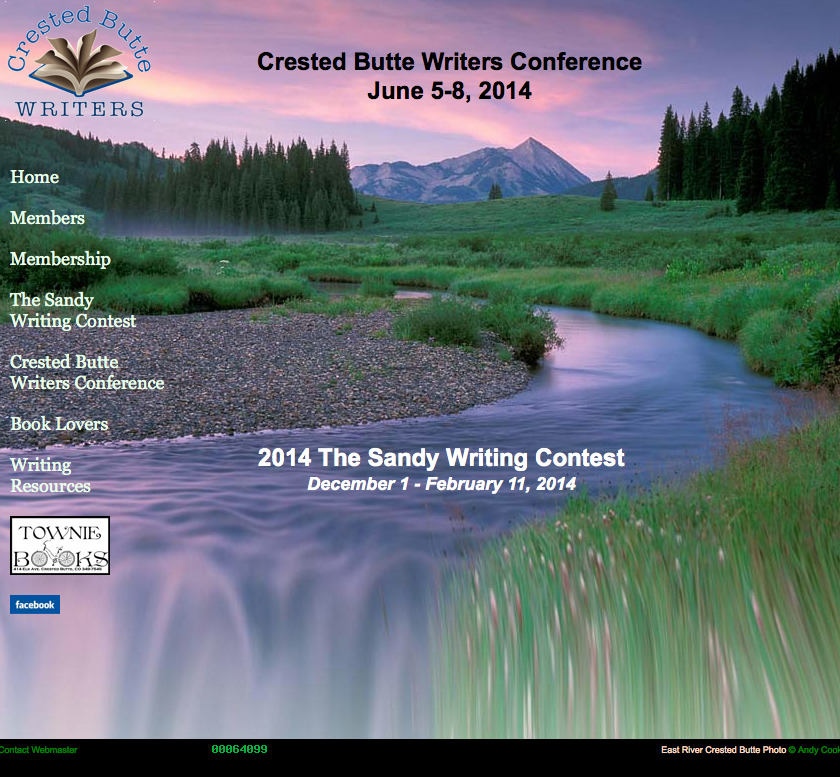 It’s Social Media Monday again. Not that I don’t use Facebook on a near daily basis. I check Twitter more than weekly as well. But this was the day I set aside to do my blog. Back in October, shortly after I started this blog, I wrote a short post, #4 is the True Test. On the few blogs I’d started in the past, I was lucky to get to #4 and usually that was my last. I’m up to # 40 now, I think. I’m not out of ideas, and find new ideas easier and easier to generate. What I’m out of, or short on, is time. I’m planning on attending a conference in June, The Crested Butte Writers’ Conference, and need to make sure some material is ready by then. Although I did not enter the contest, I have to have pitches and pages ready to go by next Monday as well as a ten-page section and synopsis. This particular conference doesn’t make pitch appointments, but instead has you submit written materials ahead. If one of the attending agents or editors is interested, they will then ask to speak to you and an appointment will be made. The theory is that this is less stressful and saves time on everyone’s part, since the agents won’t have lots of materials from people whose actual writing they don’t like, and the authors won’t have their hopes up unnecessarily. Of course the latter is only true at the time of the conference, not prior to submitting the page and pitch!
I attended this same conference five years ago. It is small and more laid back than the larger conferences. Because it is smaller, the number of attending agents and editors may be smaller as well, but the quality doesn’t suffer. In 2009 Donald Maass was a speaker. Again, because it is smaller, you are more likely to get some individual attention without the pushiness that often happens at the larger conferences. For instance, I remember being at one conference when an agent got on the elevator. Before I could even open my mouth to say hello, someone else stepped on and took over. The conference five years ago was the first I attended where a panel of agents and editors commented on your first page. This seems to have become a standard at many conferences such as just completed Pikes Peak and upcoming Rocky Mountain Fiction Writers’ Colorado Gold conference.
But my point in writing this is that I don’t currently have time to do much of a post. I have drafts of posts; what I don’t have is the time to spend on them that I’ve dedicated to each in the past. So for the next month I may resort to merely reposting an interesting article or blog post. I’m starting with this one posted by an MFA writer friend from yesterday’s New York Times. It’s short and funny and has a good point!
A Master’s In Chick Lit by Karen Gillespie.
All you MFAers, what do you think?
Music, Writing, Critiques; What Movie Scores Do You Love?
Recently a post, The Curse of the Critique Button? by Pamela Nowak appeared on the Rocky Mountain Fiction Writers’ blog. It discussed the problem of not being able to turn off your critique button when reading or watching movies. As I mentioned in the comments to that post, my first problem with movie watching is the soundtrack. Many years ago I took a music appreciation course for the heck of it. I don’t know a middle C from an F sharp. (Is there an F-sharp?) I learned a number of musical concepts, but what I most remember about this class was that the teacher was very skinny and had his pants cinched with a belt that had at least eight extra inches. He also mentioned that the movie score was what he most listened to at a movie. Up until then, I only noticed the music the few times I’d really loved it, such as in Merry Christmas, Mr Lawrence, or Crouching Tiger, Hidden Dragon.
But after he mentioned this, I was more atuned to music. Suddenly, if the music felt manipulative, which it very often did, and told me how to feel, or what the impact of the scene should be, I was pulled out of the movie’s world. I often dislike popular movies and the soundtrack is often one factor why. A good illustration of this, for me, is the difference between the two 1999 movies dealing with World War II ,Saving Private Ryan, and The Thin Red Line. SPR won awards and the hearts of most moviegoers. I thought it had a predictable plot with over-orchestrated music (the chorus in the theme song, for example). TRL, its competitor in a number of Oscar categories, including Best Music, Dramatic Film Score, was, for me, more of a tone poem.
I’m not sure either of these composers (John Williams vs. Hans Zimmer) is among my favorites, but I can routinely pick out John Williams’ scores. Being able to recognize a composer doesn’t necessarily degrade the quality; I usually know Phillip Glass or Ryuichi Sakamoto, too. For me, it is a heavy-handedness and manipulative element that makes me like most John Williams scores less than others.
In my original blog post comment, I suggested there might be a correlation between musical scores that direct your feelings and good writing. Although subjective, I find writing I most enjoy to be that which is similar to the scores I prefer: ones that actually make me feel rather than those that dictate how I should feel. In writing this is illustrated by the difference between telling me how a character feels and allowing me to feel what the character does. Although I suspect I fall far from my ideal, that is what I usually strive to do. Maybe if I listen to more of the music that achieves this state, my writing will approximate that level of art.
What movie soundtracks with original music do you find most enjoyable? Do you feel the sort of music you prefer, as illustrated by film scores, also informs your writing or what you consider good writing?
The Ecology of the Font
Posted by c2london in Uncategorized on April 13, 2014
My friend Caroline is wild about fonts, reading book after book on their variability and creation. I’ve been known to fall in love with a particular font as well. At the same time, I’m one of those environmentalists who cringes when I notice one of my workmates purposefully printing a reverse white-on-black sheet of paper. Sure, it would be nice if we had a color printer, but color or white-on-black has little practical use in our healthcare-related positions.

So it was with interest that I read an article about Suvir Mirchandani in the New York Times a few weekends ago. At 14, he’s published a study of the way entities can save money and ink by judiciously picking a font. Three contenders were Times New Roman, Century Gothic, and Garamond.
Garamond turned out to be the winner as far as using the least amount of ink. Since it is a slightly “thinner” font, I’m wondering if the readability is less than the standard Times New Roman. Since it is lighter, will it cause eye strain? Will agents and editors rebel?
While writing this, I found links to many sites with free fonts to download. (For example Intavant, and Dafont.) Maybe it’s time to give up the dream of a career in writing and revert to making posters for post.
Do you have a favorite font?
What’s on YOUR bedside table?
The New York Times Book Review routinely asks the question above in its author interviews. Often, the books mentioned make me feel illiterate or at least lacking in erudition. I cheated a little on my own list below since one of the books I’m about to mention was actually on my chest of drawers. I relocated it to my bedside.
Here is a picture of the books that were next to my bed on Saturday, April 5.
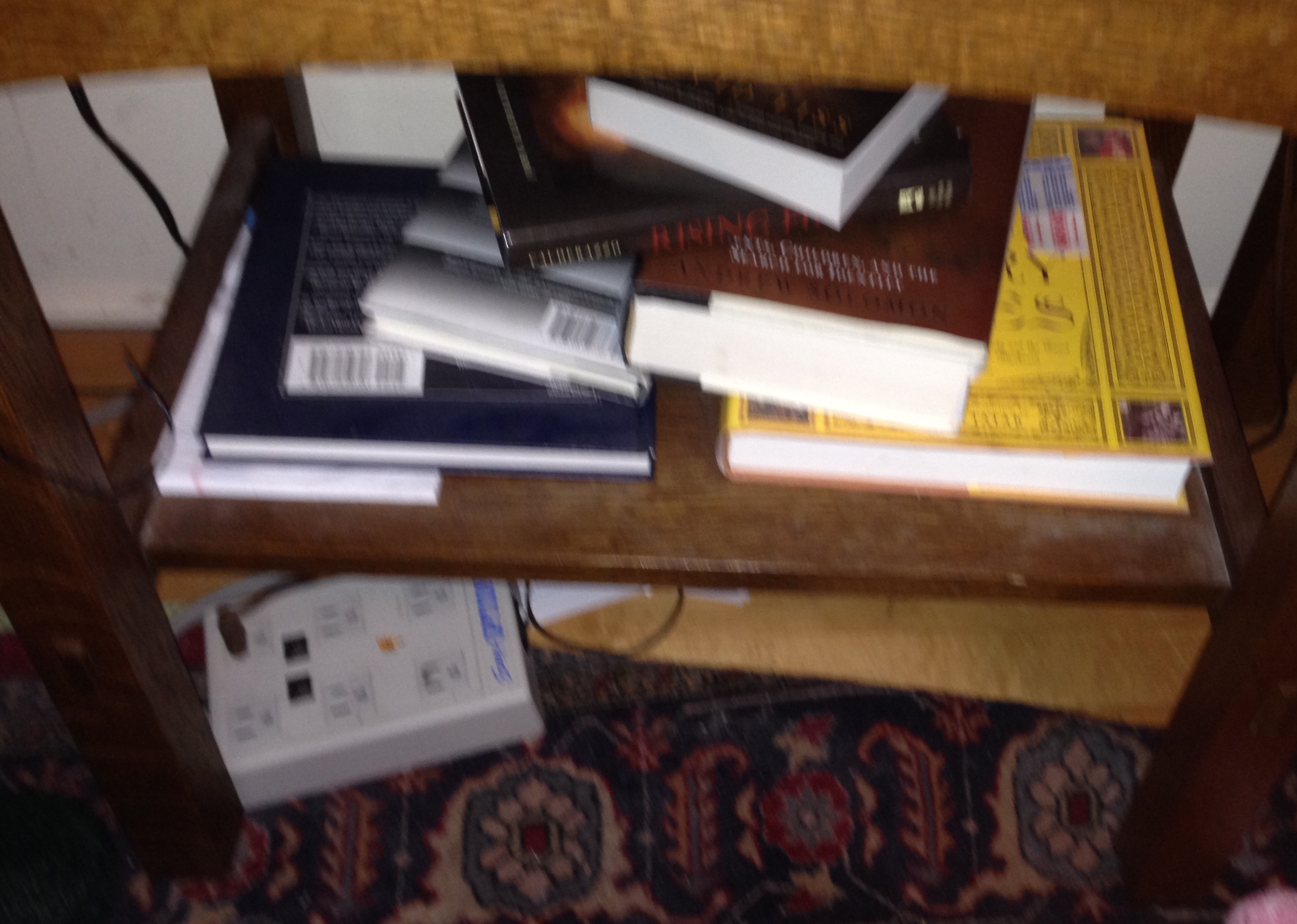
And here is each book with a short comment.
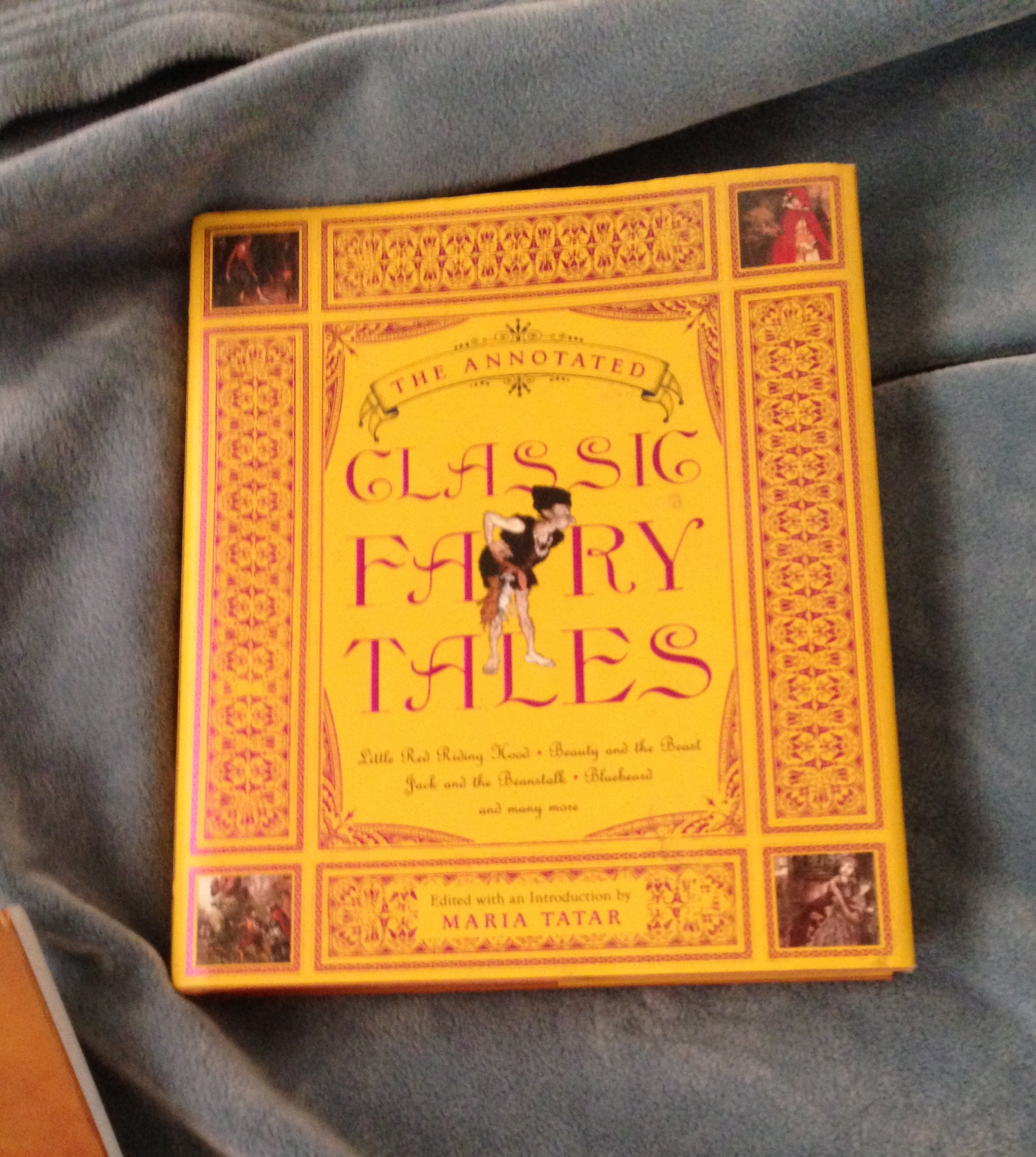
I’d totally forgotten I’d asked for a copy of fairy tales for Christmas–in 2010 maybe! My idea was to read one per night so I could incorporate them into my work. I might have looked at one entry.
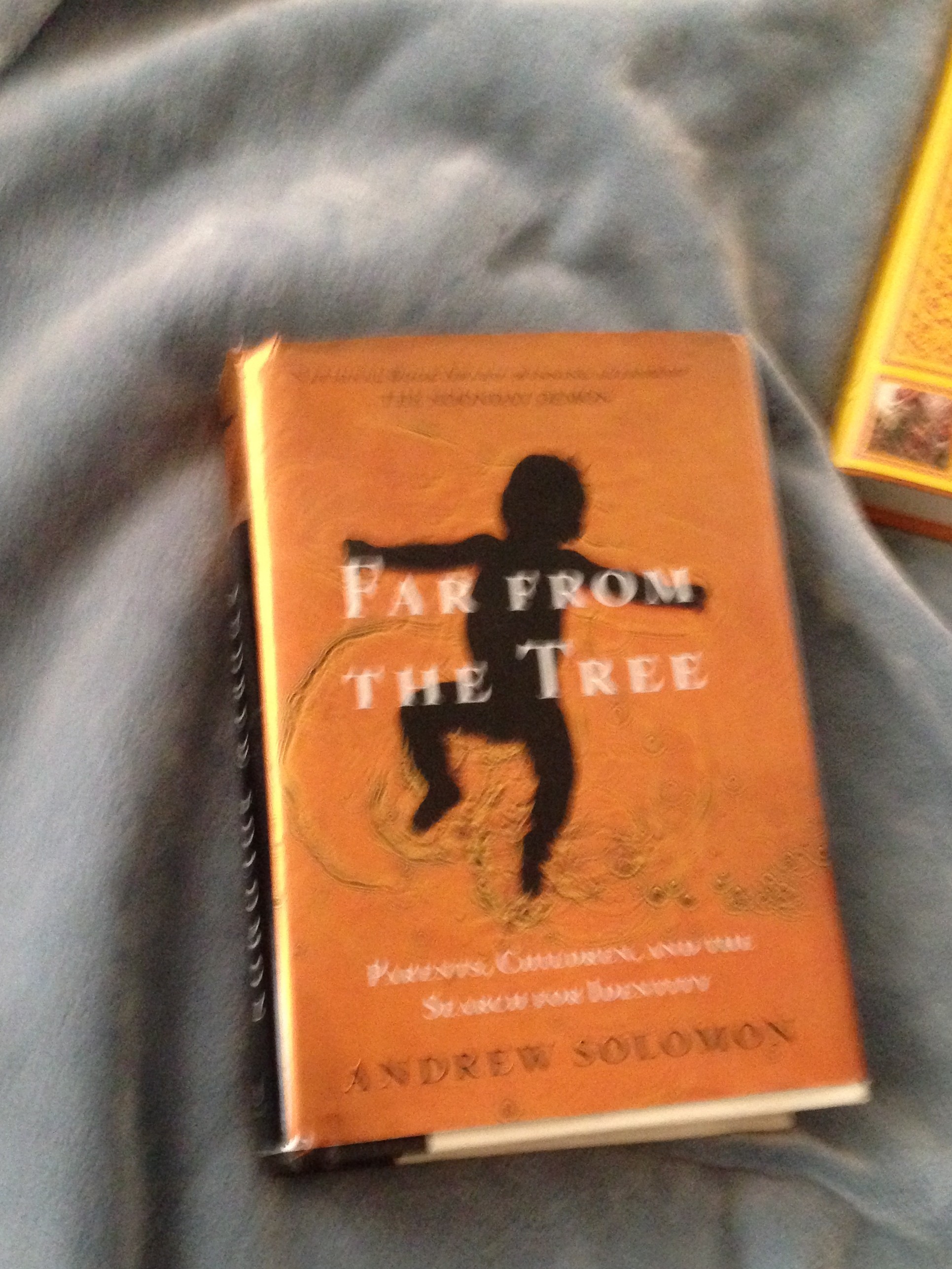
I asked for FAR FROM THE TREE for Christmas 2012. I read half of it and found it very interesting, but I had hopes of finding others who would like to read and discuss it.
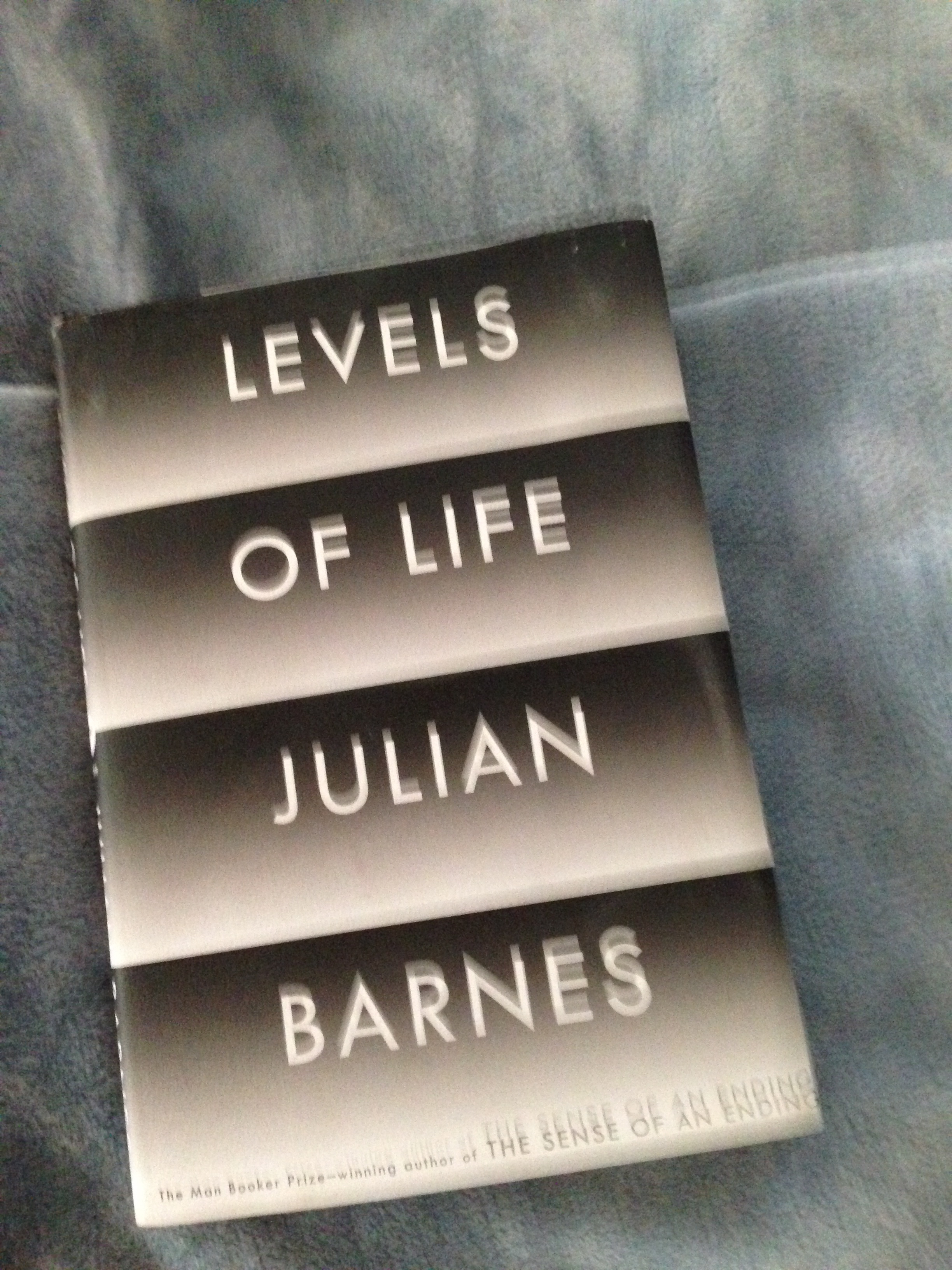
This book was probably my newest acquisition. I’d read SENSE OF AN ENDING and loved it, but I found this one difficult to get into. Too fragmented, and then when I was reading it at night, the fragments were fragmented.
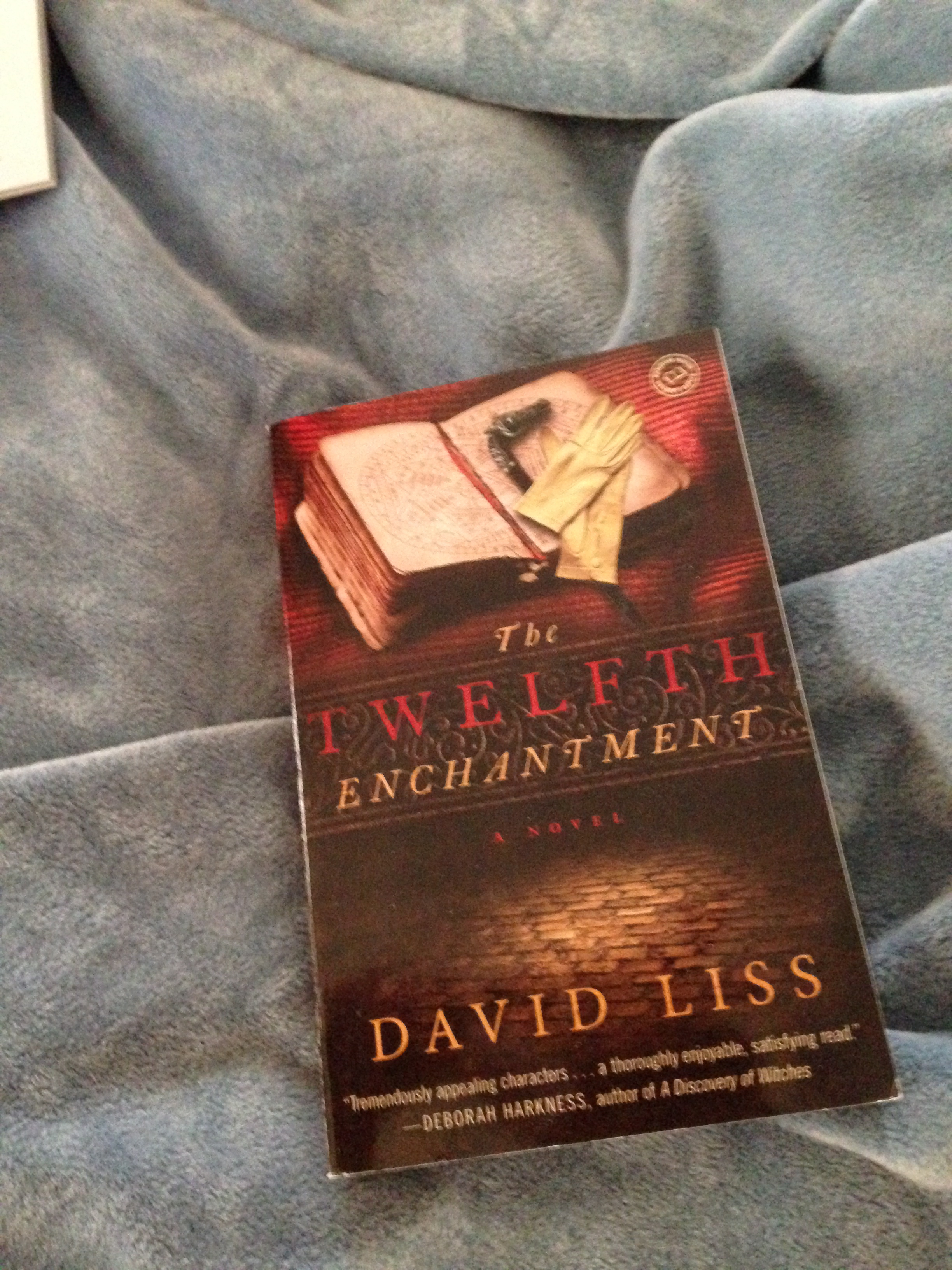
I have the bad habit of buying interesting sounding books at conferences and then never reading them
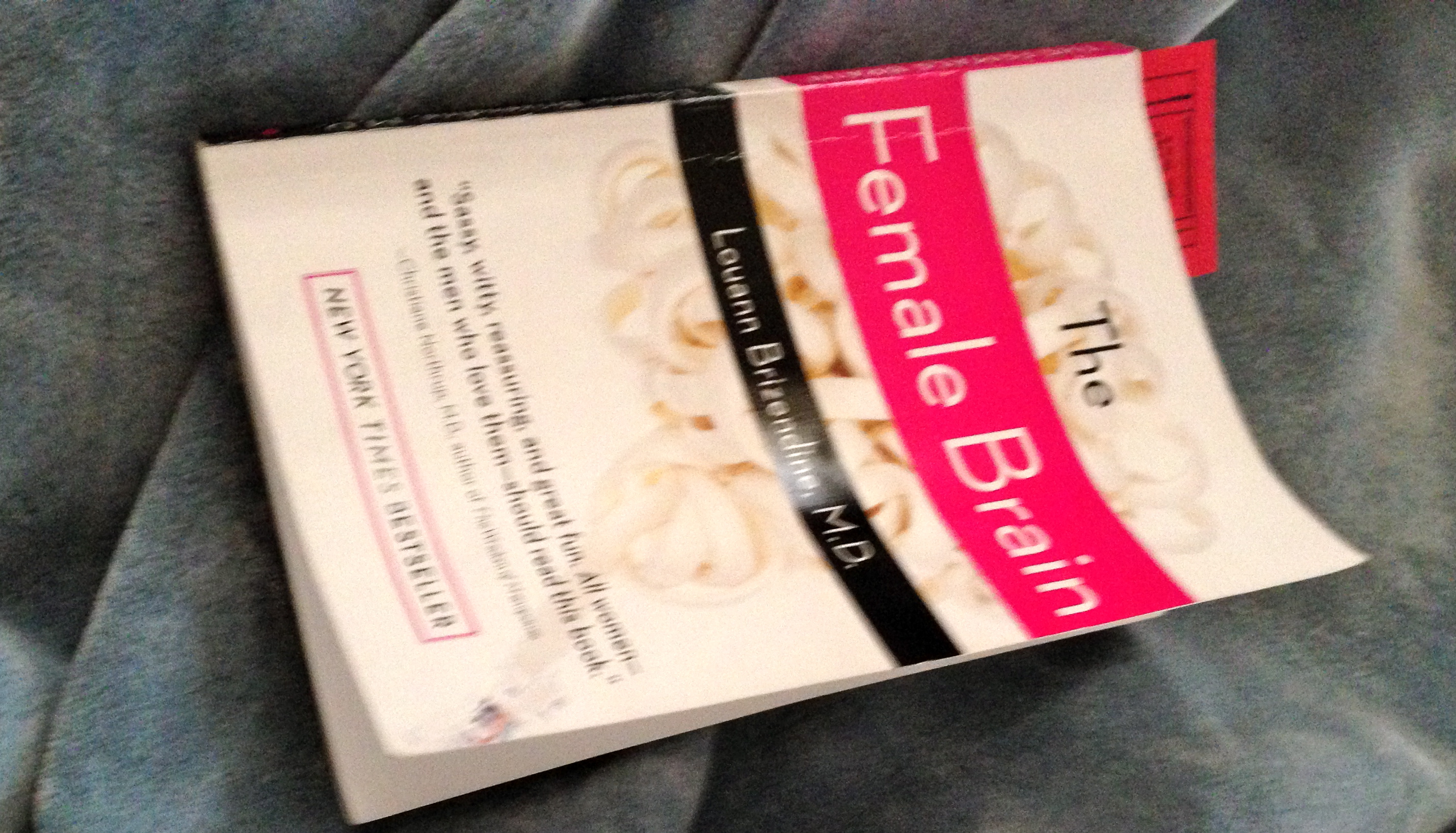
I loaned this to my friend N. so she could read the section on The Mommy Brain while I read about rearing babies the French way (see previous post). Although THE FEMALE BRAIN is interesting, it is more like a textbook that BEBE and I elected to finish BEBE before soldiering on in this one. I’m close to done.

RISING FIRE was loaned to me by a writing friend. I read the beginning and it is next on my reading list. It is written by a Colorado State University professor whom I once met at a picnic. I think he’s a friend of friends, too. Narrative/creative nonfiction isn’t my go-to style of writing, but after enjoying writing my blogging, I’m rethinking this as a possible creative outlet.

I started this novel, which I bought at an estate sale. I’ve seen Mystic River, of course, and enjoyed it, but I’d never read the author. The price was right so I picked this copy up this summer. Somewhere along the line. I started reading it, and even though I’m not a baseball fan, I enjoyed what I read. I put it aside to read THE FEMALE BRAIN. I may go back to it and read it concurrently with the nonfiction above.
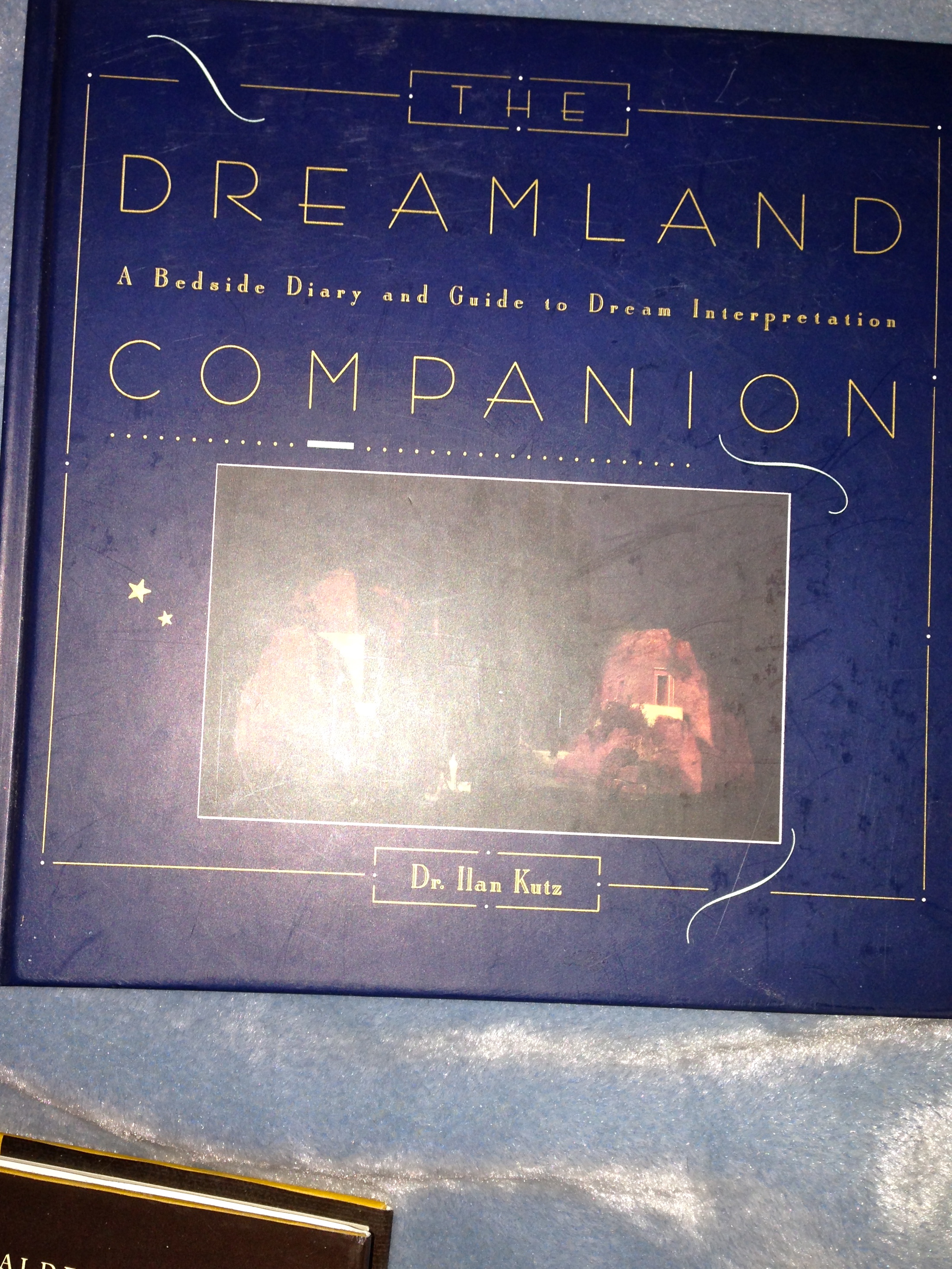
My last “book” on the nightstand is a dream diary. I’ve read up on dreams and kept track of dreams at various times in the course of my life. It’s waiting for me to remember a dream and write it down.
The last item on my nightstand is the cause of me being behind on my reading.

My goal every week is to finish the Sunday Times by Saturday so that I can start fresh the next morning. Sometimes when we’re away for the weekend, I ask my neighbor to please, keep the paper, so I can get a head start on other reading, but she usually gives it back to me anyway. I’ve read the Sunday Times since I was a teenager.
Probably I should say I read parts of the Times. We subscribed for the Book Review. If I read the whole paper all the way through, I’d be like my college friend June who saves the paper to read later but never gets around to it.

June last summer in NYC.
I’d probably read more books if I restricted myself to reading a few articles on line or had the Denver Post delivered instead of the Times. My latest excuse? You never know where an idea for a blog post might come from. I have a draft for a post generated from a story in last week’s edition and while glancing through today’s Styles section a feature caught my eye. I may want to address that issue here as well.
What books are next to your bed or wherever you tend to read?
Better off French? The writer and French children’s Literature.
A friend of mine has a 1-year old whose father is French. When N. was pregnant, I bought Pamela Druckerman’s Bringing Up BeBe for the parents-to-be. I thought it might have some good advice and I wanted to know if it mirrored J.C.’s experiences. I’d read an excerpt in the NYTimes and thought the “method” sounded promising. I have since borrowed back the book to read. I don’t have any children, but I enjoy reading on different subjects. As a writer, you never know when information will come in handy or present an idea for a story.

The son of N. and J.C. Photo by his mother.
All in all, most of the techniques described make sense, partly because, other than being served Camembert at 18 months, the style of parenting appears much like what my mother and other of my parents’ generation would have espoused. It sounds as if French children are far more internally motivated and less demanding of attention than their typical American counterparts. Now, there are caveats. Druckerman herself says what she describes applies mostly to parenting in Paris and, possibly, mostly to a particular socioeconomic class within Parisian society. Although she cites experts and other works, the book is based mostly on observation, not hard research.
What struck me as the reason I might be better off French was the short section on French children’s literature. Druckerman writes of American children’s literature, “…there’s usually a problem, a struggle to fix the problem, and then a cheerful resolution.” She adds, “… every problem seems to have a solution, and prosperity is just around the corner.” (p. 162) French stories, she says, start in a similar vein with a problem and struggle to solve the problem, but the solution doesn’t seem to stick for long and often there is no personal transformation or growth. Her interpretation of the less-than-perfect ending? That life is complicated, and no one is completely good or completely bad.
Of course not all American adult or children’s stories follow this format, but it seems there is a constant demand for growth and change in the characters; at least that is a criticism/question that often arises in critique sessions. Offhand, the only modern French novel I can think of that I’ve read is The Elegance of the Hedgehog. Certainly to me those characters were unlikeable, although I suppose they did change. With this as my only example, I don’t know how well adult French literature follows the model Druckerman describes in children’s books, but I know I would like to be free to write unlikeable characters who don’t necessarily find salvation by the end. And does the ending have to be happy? Most of my endings are more or less neutral, which some might see as “unsatisfying,” although the author Mark Spencer called one mauscript heartbreaking. (Yeah, yeah, it was as part of a class I paid for.)
What I desire is the ability to write “reality” without having to be considered literary. I don’t think my writing is insightful enough,”deep” enough, nor is the prose exceptional enough for that tag, which leaves “women’s fiction” the only category available to me. I’m not sure my writing meets the standards for this nebulous genre/category, defined at findmeanauthor.com as tapping “into the hopes, fears, dreams and even secret fantasies of women today.” The Women’s Fiction Writers Association exists for those who write about “stories about a woman’s emotional journey.” Other than the fact that women are the main characters, I still don’t see how this is different from what was once called mainstream fiction, and that’s why it might have been easier for me if I’d been French!
Writing on Wood from the 1800s in the middle of a Raspberry Haze.
My writing friend B.K. responded to my last post with a post of his own about his writing space. He called his the geekosphere and posted a picture of his desk with all its Disney paraphernalia. A commenter on his post, Marianne Knowles, referred to her own column on writing areas and included a before an after picture of her desk. In her post she referenced a third blogger, Wendy Van Camp, who has a running section in No Wasted Ink on writing spaces.

Before I cleaned up the desk.
The many clean and orderly rooms and desks featured in the No Wasted Ink blog were interesting, but few made me jealous. In some of them no desktop computer or a laptop was in evidence. Other of the spaces made my neck hurt just looking at them, because they looked so un-ergonomic. Although I have my keyboard in a less than ideal spot, I do have a shelf I can pull out that is at the correct height, or used to be when I had a larger keyboard and a different, less adjustable and comfortable chair. This column is a good reminder for me to reevaluate my workstation and keyboard placement. (Please see the wiki article on proper workstation design.)
My husband made my desk out of reclaimed Ponderosa pine beams from the 1800s Manitou Springs Hotel. I wanted a large desk so I could spread out research materials. There is a pullout shelf on one side that holds my laser printer with space under it. Currently that space holds old copies of manuscripts I probably should go through and recycle. The right hand side of the desk is completely open and held the CPU back when I had a Gateway computer. Now I have the boxes my computer components came in stored there.

After the clean up/
Since I also have an ink jet, I have a printer stand next to the main desk. There are cubby holes under it for various grades of paper and an old phone book. (I have to admit that at this very moment, I can’t get either printer to print. Router problem?) The original purpose of the two-tiered catch-all was a place to keep scrap paper for printing, but I don’t generate much of that anymore. It has become the place to stash papers I don’t know what to do with. My bookshelf holds reference books I might use in writing.
The small calendar on top of the bookshelf is from 2011, but it is so lovely I can’t bare to part with it. Also on the shelf is Blue Lloyd, a replacement Steiff bear a friend sent me a year or two ago and some other small figures. I don’t remember where the pigs came from, but I’ve always been partial to pigs. My best friend in high school gave me the pink rock. I also have a collection of post-it notes which I’d love to add to even though I don’t often use them. I plan to buy Scrivener and forget printing manuscripts and marking them up, especially in light of the fact that I CAN’T PRINT. I guess I’ll have to break down and call technical support one of these days, but really, who has the time?

Trinkets on shelf.
I painted my room a yellowy gold but the writing corner is raspberry. I like how the paint job sets the writing area off as a separate part of the room. Some may object to the desk being situated so that I look at a wall instead of out a window. Other than the glare from the window behind me, I don’t mind this at all, especially since I have another desk that looks out said window. Unfortunately, its surface is so covered with junk I moved off this desk or piled on it from other tidying tasks, that it is unusable. Also in this room I have two small bookcases and two matching cupboards with drawers and shelves in which I store scrap paper I no longer use, books that are too large for the shelves I have as well as books I plan to donate, and assorted other stuff, like letters decades and my spring clothes.
Really, this is a lovely writing space, or would be if it didn’t also become the room to store all the stuff no one knows where to put.
How does your writing space impact your ability to get work done?
OMG, There’s a Person in my Writing Space!
What is the plight of the writer who may or may not have another job, whose partner retires/quits a job/is laid off/works at home/takes extended vacations?
I like working part time as it gives me both time alone and a minimally structured day. I write best when there isn’t anyone else in the house. I’m able to concentrate when I don’t expect interruptions. Another advantage of being home by myself is that I can do chores and other daily activities when I feel like it. If I want to get dressed ten minutes before I leave for work, who is to know? I can read while eating lunch and finish my morning coffee while responding to email. Not only is it easier to write without interruptions, but I accomplish more when left to my own schedule.
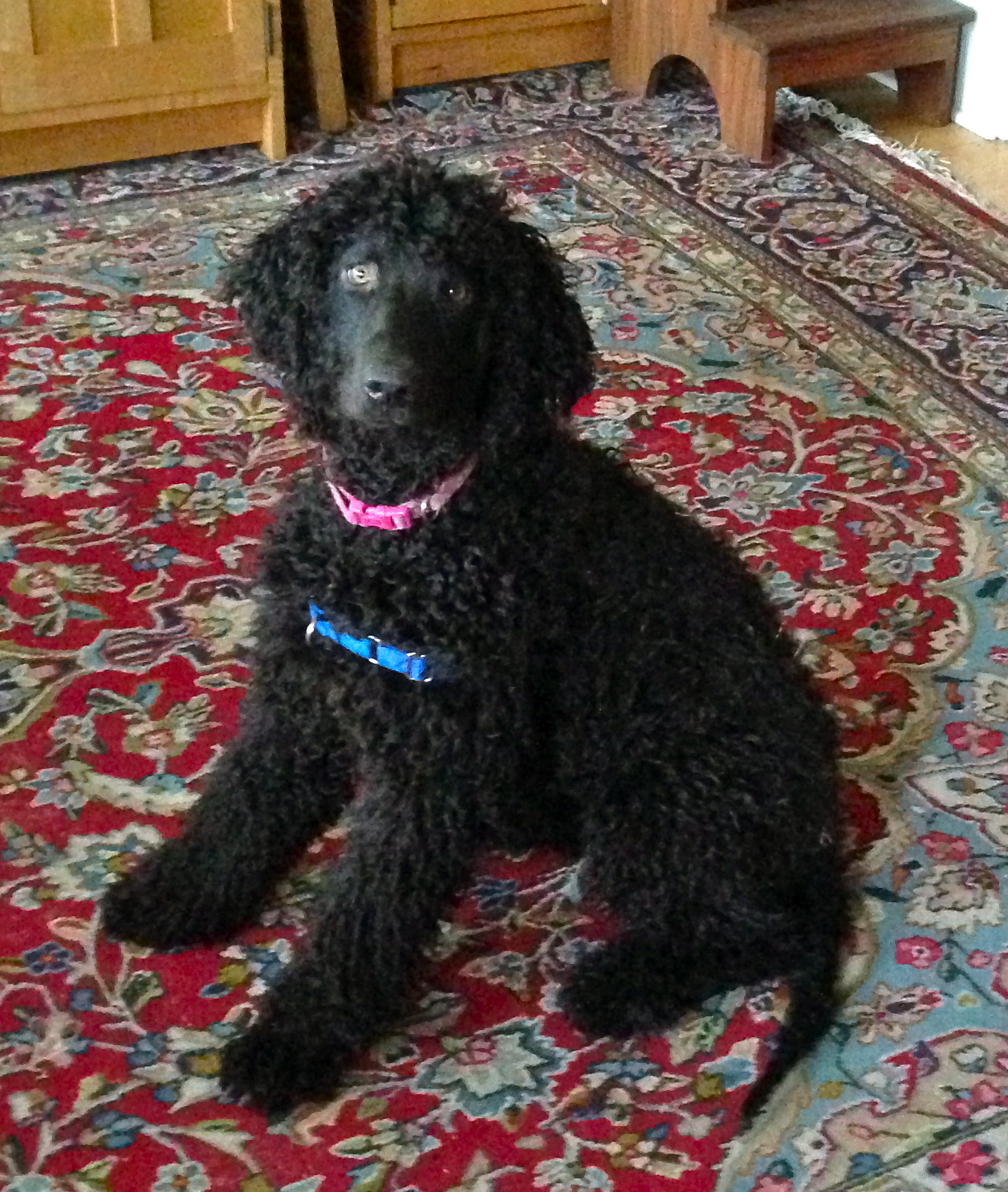
Puppies, too, can be a distraction.
It isn’t that I’m forced to adhere to someone else’s schedule, but harmony seems to dictate that I conform. If you’re eating lunch at the same table, it seems polite to converse, to answer questions, or respond to comments made. This does not, of course, pertain on Sunday mornings when reading The New York Times is my ritual.
Barnes and Nobles Book Blog recently posted Stephen King’s Top 20 Rules for Writers, which included this: 8. Don’t worry about making other people happy. “Reading at meals is considered rude in polite society, but if you expect to succeed as a writer, rudeness should be the second to least of your concerns. The least of all should be polite society and what it expects. If you intend to write as truthfully as you can, your days as a member of polite society are numbered, anyway.”
Once, my husband and I attended the Mountain West Volleyball Tournament in San Diego. A couple, Lobo fans, sat in the bleachers and read during every game when the Lobos weren’t playing and during breaks when they were. We happened to be staying at the same hotel and spied the two of them with piles of books during meals, neither appearing to speak to the other. Although doing all the reading seemed admirable, I did begin to wonder what sort of relationship they had and why they bothered to travel all that way.
Probably people who share an office or are stay at home moms have similar problems. Is having someone around most/all of the time a distraction from your writing? What strategies have you developed to structure your time and writing when someone else is sharing your home or workspace?
World War I, Writing Advice, and a Storybook Ending.
 Luck. A lot of luck is timing and that seems to be true with the story behind this novel, Somewhere in France. I haven’t read it, nor had I heard of it, until I found a link on Twitter. Although I’m not a big historical fiction buff, I am fascinated by World War I and may look for this after I finish the five or six books I’m currently reading.
From the interview above, Jennifer Robson mentions she wrote this novel, queried agents, and was told no one was interested in WWI. She apparently stopped trying to find an agent. When Downton Abbey became a hit, a friend suggested she try querying again. This year is also the centenary of the beginning of WWI. I had wondered at the proliferation of movies and books set in that time period but hadn’t made the connection with 1914. (The Well-Digger’s Daughter, A Young Doctor’s Notebook, The Given Day, others. It seems like I’m encountering these works every other day, although maybe it’s just me since the Dennis Lehane book is years old.)
Somewhere in France is definitely a case where the author wrote what she loved, and a good example of how timing played into interest in her book.
March 9, 2014
Posted by c2london in Friendship, Uncategorized on March 10, 2014

Celia near Pompelli’s at 18.
We’d been friends since 7th or 8th grade. She sat across the aisle from me in homeroom and we’d converse in sign language, the going communication method in those days. When we couldn’t sign fast enough, or the teacher wasn’t around, she’d talk in an almost monotone, swinging her foot, staring straight ahead, almost unaware of her words. She was the first of my circle of friends to have a steady boyfriend. That boyfriend put a year or two rift in our friendship, since she wasn’t as available t o talk, but when she dumped him at the end of junior year, we called each other nightly.
For years we wrote letters, but she died prior to the dominance of the Internet and email. I often wonder what would have happened if she’d lived into the days of quick and easy email. Even during the last year of our snail mail correspondence the frequency dropped. Would we—I—have been able to pace an email exchange so that neither of us was exhausted or bored?

Celia in the Hickories at 28.
Although my brother had died prior to Celia, his death had been more or less expected whereas hers was unexpected, sudden, and mostly unexplained. The March day I found out was similar to this March day in Colorado. It was warm enough to have the front door open, and the park across the street was full of kids playing. My husband had gone fishing. I’d hung up from talking to a friend who wanted me to go to the movies with her—I said no—when the phone rang again and Celia’s husband told me she had died. I said, “Okay,” and sat on the stairs and cried.
Later he sent me the letters I’d written to her over the years. She had unfolded them and kept them in a file. I had all hers but I’ve never attempted the task of matching mine to hers because she was notorious for leaving off the date. One of my earliest blog posts (Sept 28, 2013) used a quote from her letter, which is still hanging on my bulletin board.
She’s hard to forget and someone I will always miss.
 Cuisine of Loneliness